logo


VISUALIZZA PAGINA SU PC

Scheda completa della pianta

DISCLAIMER   AUTOMEDICAZIONE   © COPYRIGHT
QUESTA SCHEDA È UNICA E ORIGINALE IN INTERNET
aggiornamento del 06/02/2026

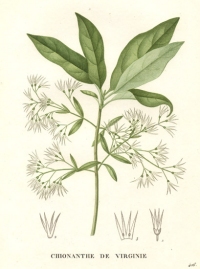
CHIONANTO DELLA VIRGINIA
Chionanthus virginicus L.
LEGGI ARTICOLI SCIENTIFICI


Img AI realizzata da erbeofficinali.org con ChatGPT


TOSSICITÀ BASSA
gif tossicità

EFFICACIA BUONA


 ++ 

SCHEDA BOTANICA


COLORI OSSERVATI NEI FIORI

____ BIANCO


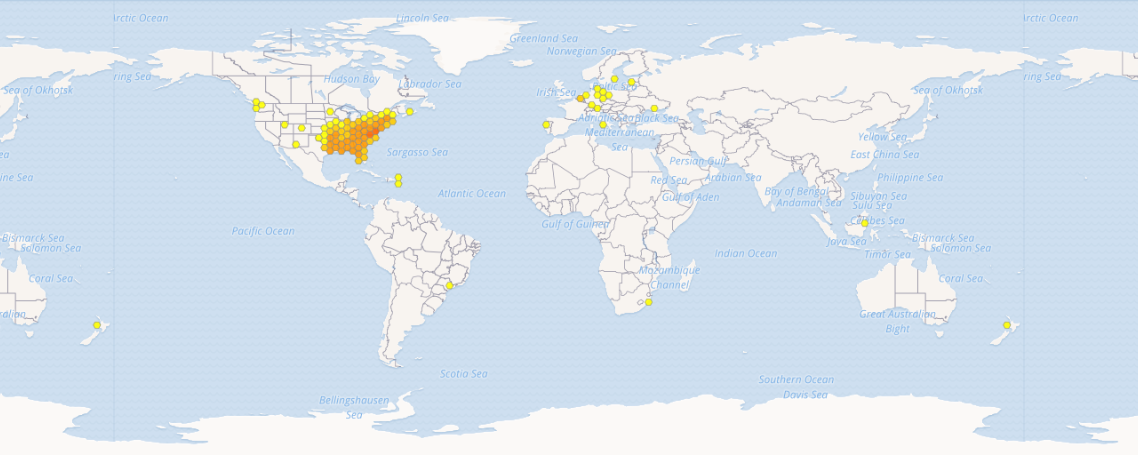
DISTRIBUZIONE IN BASE
ALLE OSSERVAZIONI UMANE


© OpenStreetMap contributors, © OpenMapTiles, GBIF (CC BY-SA 2.0)

SCHEDA FITOTERAPIA


TOSSICITÀ:
BASSA
Motivazione: Ai dosaggi fitoterapici corretti e nelle forme tradizionalmente utilizzate, Chionanthus virginicus L. non è associata a tossicità rilevante; gli effetti indesiderati segnalati sono rari e generalmente lievi, prevalentemente di tipo gastrointestinale. Non sono documentati effetti tossici gravi, né proprietà velenose, purché l’uso avvenga secondo criteri di sicurezza e senza controindicazioni specifiche.
EFFICACIA:
BUONA
Motivazione: Chionanthus virginicus L. presenta un impiego fitoterapico storicamente consolidato come pianta epato-biliare e digestiva; le evidenze scientifiche disponibili comprendono studi fitochimici, risultati positivi in vitro e su modelli animali, nonché una lunga pratica erboristica coerente. Tuttavia, mancano studi clinici controllati sull’uomo che ne confermino in modo definitivo l’efficacia terapeutica, collocandola quindi a un livello di buona efficacia potenziale ma non clinicamente confermata.


Leggere attentamente tutte le sezioni della scheda prima di considerare le seguenti indicazioni valide per ciascun utilizzo fitoterapico.

  • Con evidenze scientifiche
  • ookANTIOSSIDANTE (PER STRESS OSSIDATIVO)
  • Con riscontro positivo in vitro o in fitoterapia
  • !!EPATOPROTETTORE ANTIEPATOTOSSICO DEL FEGATO
  • Uso storico e nella tradizione
  • +++CONGESTIONI PORTALI EPATICHE
    ++COLAGOGO
    ++DECONGESTIONANTE
    ++INSUFFICIENZA EPATOBILIARE E INTOSSICAZIONE DEL FEGATO
    ++ITTERO
    +ALIMENTO NUTRACEUTICO
    +DIURETICO (OLIGURIA O RITENZIONE IDRICA)

    Note e Bibliografia relativa a proprietà e indicazioni
  • Phytochemical analysis and quality control of herbal drug and herbal preparations of *Chionanthus virginicus* L.
  • Comparative assessment of antioxidant activity and functional components of *Chionanthus virginicus* and *C. pubescens*
  • Lignans and secoiridoids from the root bark of *Chionanthus virginicus* L.: isolation, identification and HPLC analysis
  • Hepatoprotective effects of *Chionanthus virginicus* bark tincture in experimental CCl₄-induced hepatotoxicity


  • * Si tenga presente che talvolta la stessa erba indicata come sinergica o antagonista, potrebbe assumere entrambi i ruoli in funzione della dose utilizzata e/o della forma estrattiva o di trattamento. Consultare un fitoterapeuta per personalizzare le combinazioni.


    SCHEDA NOTIZIE E VARIE


    BIBLIOGRAFIA e WEBLIOGRAFIA GENERALE
  • Tundis, R., Loizzo, M. R., Bonesi, M., Menichini, F., Statti, G. A., & Menichini, F. (2009). Antioxidant and radical scavenging activities of Chionanthus virginicus L. (Oleaceae) bark. Phytochemistry, 70(10), 1268-1275.
  • Rashed, K., Buter, K. B., Schmidt, J. M., & Khan, I. A. (2010). Chionanthus virginicus: Phytochemistry and biological activities. Molecules, 15(9), 6170-6180.
  • Gafner, S., Bergeron, C., Villinski, J. R., & Williamson, R. T. (2010). Preparative HPLC isolation of bioactive lignans from Chionanthus virginicus. Phytotherapy Research, 24(S1), S134-S137.
  • Navarro, M. C., Cabrera, R., Alemán, A., Boada, J., & Aguiar, J. (2011). Chionanthus virginicus L.: A source of bioactive compounds with antioxidant and anti-inflammatory properties. Fitoterapia, 82(5), 739-745.
  • Abbasi, A. M., Khan, M. A., Shah, M. H., Shah, S. A., & Perveen, S. (2021). Ethnobotanical, phytochemical, and pharmacological attributes of the genus Chionanthus (Oleaceae). Pharmaceuticals, 14(8), 769.