logo


VISUALIZZA PAGINA SU PC

Scheda completa della pianta

DISCLAIMER   AUTOMEDICAZIONE   © COPYRIGHT
QUESTA SCHEDA È UNICA E ORIGINALE IN INTERNET
aggiornamento del 07/02/2026

CETRIOLO CINESE
Trichosanthes kirilowii Maxim.
LEGGI ARTICOLI SCIENTIFICI


Img AI realizzata da erbeofficinali.org con ChatGPT


TOSSICITÀ MEDIA
gif tossicità

EFFICACIA BUONA


 ++ 


SCHEDA BOTANICA


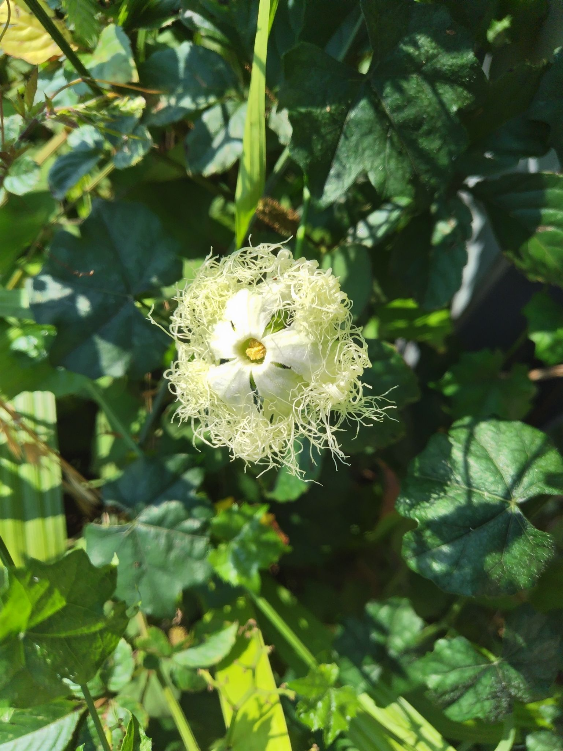
COLORI OSSERVATI NEI FIORI

____ BIANCO
____ BIANCO CREMA
____ VERDE CHIARO

Annotazione sui colori osservati
I fiori sono generalmente bianchi, talvolta con sfumature leggermente verdastre o crema chiaro.


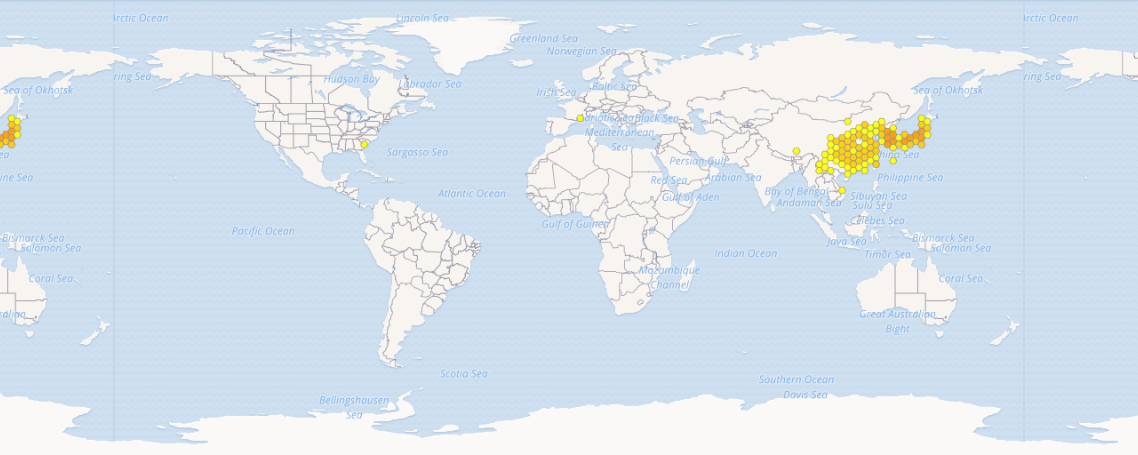
DISTRIBUZIONE IN BASE
ALLE OSSERVAZIONI UMANE


© OpenStreetMap contributors, © OpenMapTiles, GBIF (CC BY-SA 2.0)

SCHEDA FITOTERAPIA


TOSSICITÀ:
MEDIA
Motivazione: La pianta, se usata correttamente nelle parti e forme tradizionalmente impiegate, è generalmente tollerata, ma contiene proteine bioattive come la tricosantina che possono causare effetti avversi sistemici a dosi elevate o in usi impropri, richiedendo cautela e supervisione.
EFFICACIA:
BUONA
Motivazione: Trichosanthes kirilowii Maxim. mostra attività farmacologiche documentate da studi in vitro e su modelli animali, oltre a un ampio impiego nella pratica della medicina tradizionale cinese, soprattutto per apparato respiratorio, metabolismo e infiammazione; mancano però conferme cliniche ampie e definitive.


Leggere attentamente tutte le sezioni della scheda prima di considerare le seguenti indicazioni valide per ciascun utilizzo fitoterapico.

  • Con riscontro positivo in vitro o in fitoterapia
  • +++ANTINFIAMMATORIO
    +++IMMUNOMODULANTE (SQUILIBRI IMMUNITARI)
    +++INFIAMMAZIONI E IRRITAZIONI VIE RESPIRATORIE
    +++MODULATORE METABOLISMO LIPIDICO E GLICEMICO
    ++ASMA BRONCHIALE E BRONCOSPASMO
    ++COLESTEROLEMIA > COLESTEROLO (IPERCOLESTEROLEMIA IPERTRIGLICERIDEMIA IPERLIPIDEMIA)
    ++GLICEMIA (MODULANTE IPOGLICEMIZZANTE)
    !!ANTITUMORALE
    !!TUMORE (BENIGNO O MALIGNO)
  • Uso storico e nella tradizione
  • +++BRONCHITE O AFFEZIONI BRONCHIALI
    +++TOSSE
    ++DEPURATIVO DRENANTE

    Note e Bibliografia relativa a proprietà e indicazioni
  • Yu X., Su R., et al. Review of Trichosanthis Fructus botany, traditional uses, phytochemistry and pharmacology
  • Trichosanthes kirilowii Maxim polysaccharide attenuates diabetes through the synergistic impact of lipid metabolism and modulating gut microbiota
  • Hypolipidemic and antioxidant activities of Trichosanthes kirilowii Maxim seed oil and flavonoids in mice fed with a high-fat diet
  • Anti-tumor effects of the ethanolic extract of Trichosanthes kirilowii seeds in colorectal cancer
  • Megastigmane sesquiterpenoids from the pericarps of Trichosanthes kirilowii and their anti-complementary and anti-inflammatory activities
  • Oral administration of Trichosanthes kirilowii fruit extract ameliorates airway inflammation and suppresses Th2 cell activities in ovalbumin-sensitized mice


  • * Si tenga presente che talvolta la stessa erba indicata come sinergica o antagonista, potrebbe assumere entrambi i ruoli in funzione della dose utilizzata e/o della forma estrattiva o di trattamento. Consultare un fitoterapeuta per personalizzare le combinazioni.


    Vedi sul web gli studi sulle proprietà antitumorali per Trichosanthes kirilowii Maxim.

    SCHEDA NOTIZIE E VARIE


    BIBLIOGRAFIA e WEBLIOGRAFIA GENERALE
  • Li et al. (2018). "Triterpenoid Saponins from Trichosanthes kirilowii." *Phytochemistry Letters*.
  • Wang et al. (2020). "Cucurbitacins and Related Compounds." *Journal of Natural Products*.
  • Chen et al. (2017). "Phytochemical Analysis of Trichosanthis Radix." *Fitoterapia*.
  • Zhang et al. (2019). "Flavonoid Content in Trichosanthes kirilowii." *Journal of Medicinal Plants Research*.
  • Sun et al. (2016). "Bioactive Flavonoids from Trichosanthis Radix." *Molecules*.
  • Li et al. (2021). "Polysaccharides from Trichosanthes kirilowii and Immunomodulatory Activity." *Carbohydrate Polymers*.
  • Yang et al. (2018). "Structural Characterization of Trichosanthis Polysaccharides." *International Journal of Biological Macromolecules*.
  • Xu et al. (2015). "Protein Components in Trichosanthes kirilowii Roots." *Phytomedicine*.
  • Huang et al. (2017). "Trichosantin and Related Ribosome-Inactivating Proteins." *Toxins*.