<------------------CENTRA ORIZZONTALMENTE---------------- --> <------------------CENTRA ORIZZONTALMENTE---------------- -->
logo


VISUALIZZA PAGINA SU PC

Scheda completa della pianta

DISCLAIMER   AUTOMEDICAZIONE   © COPYRIGHT
QUESTA SCHEDA È UNICA E ORIGINALE IN INTERNET
aggiornamento del 20/01/2026

CETRIOLO CINESE
Trichosanthes kirilowii Maxim.
LEGGI ARTICOLI SCIENTIFICI


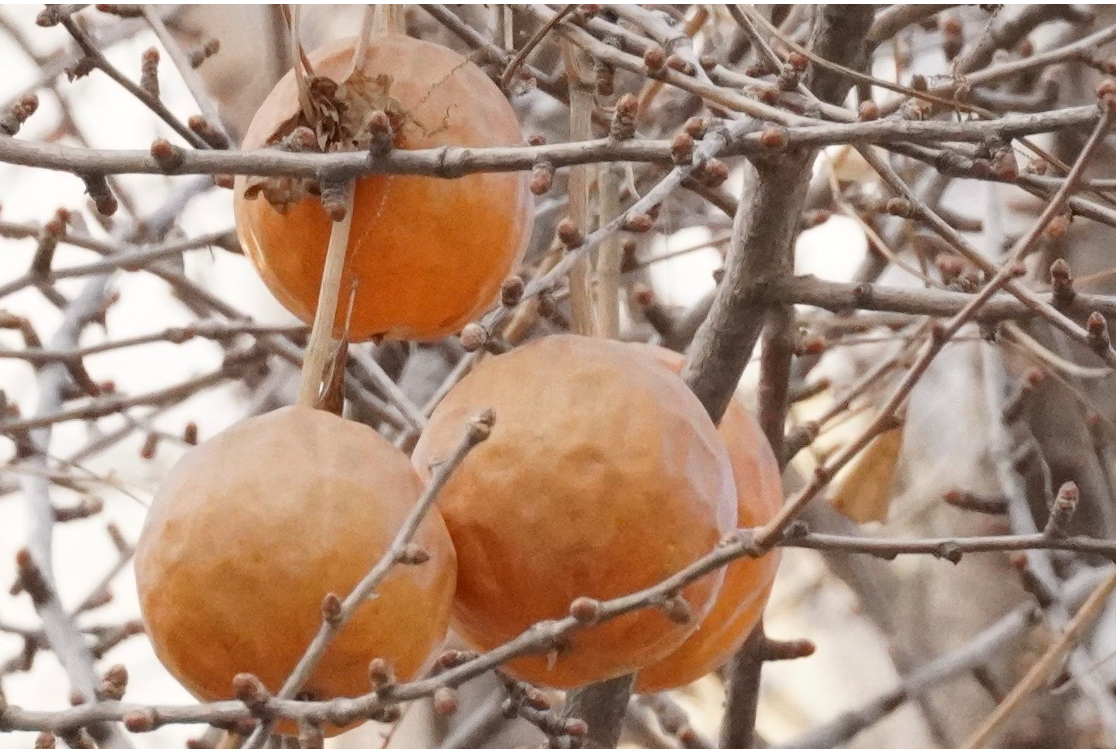
Immagine modificata per uso didattico
Attribuzione-NonCommerciale 4.0 Internazionale (CC BY-NC 4.0)


TOSSICITÀ ALTA *
gif tossicità

EFFICACIA DIPENDENTE DALLE SPECIFICHE E DALLE FORME TERAPEUTICHE


 !! 

SCHEDA BOTANICA


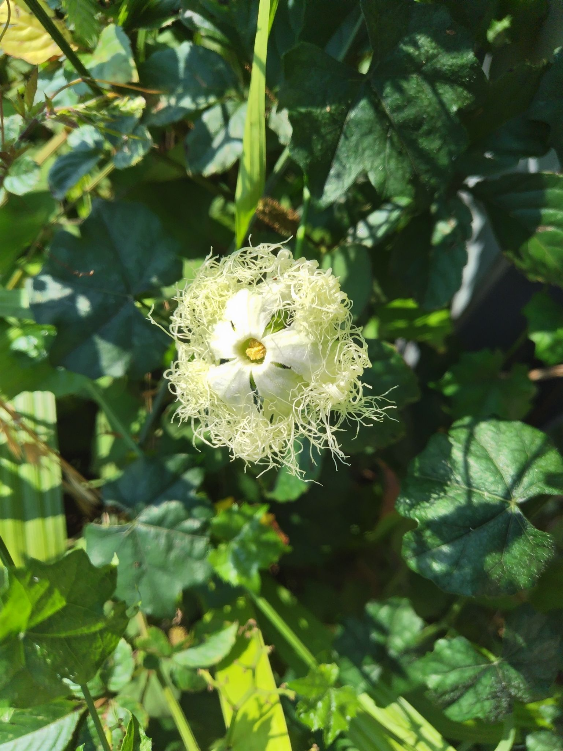
COLORI OSSERVATI NEI FIORI

____ BIANCO
____ BIANCO CREMA
____ VERDE CHIARO

Annotazione sui colori osservati
I fiori sono generalmente bianchi, talvolta con sfumature leggermente verdastre o crema chiaro.


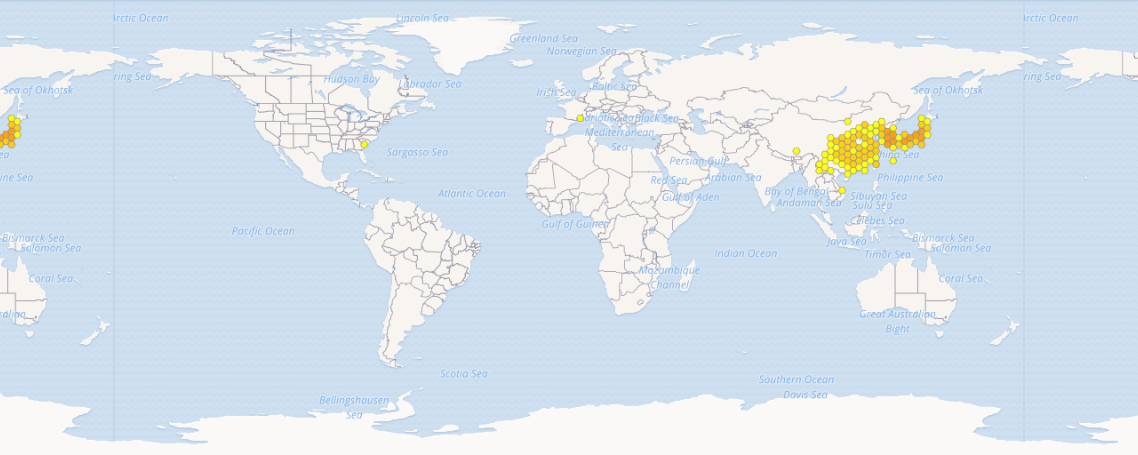
DISTRIBUZIONE IN BASE
ALLE OSSERVAZIONI UMANE


© OpenStreetMap contributors, © OpenMapTiles, GBIF (CC BY-SA 2.0)

SCHEDA FITOTERAPIA


TOSSICITÀ:
ALTA
Motivazione: L’uso improprio può causare tossicità significativa, inclusi effetti gastrointestinali e cardiaci; la somministrazione deve essere attentamente controllata e conforme alle indicazioni terapeutiche.
EFFICACIA:
DIPENDENTE DALLE SPECIFICHE E DALLE FORME TERAPEUTICHE
Motivazione: Trichosanthes kirilowii Maxim. è utilizzata in fitoterapia tradizionale cinese principalmente per le proprietà emolitiche e per stimolare la secrezione; l’efficacia è documentata solo per preparazioni standardizzate e dosaggi specifici.

...in aggiornamento


SCHEDA NOTIZIE E VARIE

...in aggiornamento

BIBLIOGRAFIA e WEBLIOGRAFIA GENERALE
  • Li et al. (2018). "Triterpenoid Saponins from Trichosanthes kirilowii." *Phytochemistry Letters*.
  • Wang et al. (2020). "Cucurbitacins and Related Compounds." *Journal of Natural Products*.
  • Chen et al. (2017). "Phytochemical Analysis of Trichosanthis Radix." *Fitoterapia*.
  • Zhang et al. (2019). "Flavonoid Content in Trichosanthes kirilowii." *Journal of Medicinal Plants Research*.
  • Sun et al. (2016). "Bioactive Flavonoids from Trichosanthis Radix." *Molecules*.
  • Li et al. (2021). "Polysaccharides from Trichosanthes kirilowii and Immunomodulatory Activity." *Carbohydrate Polymers*.
  • Yang et al. (2018). "Structural Characterization of Trichosanthis Polysaccharides." *International Journal of Biological Macromolecules*.
  • Xu et al. (2015). "Protein Components in Trichosanthes kirilowii Roots." *Phytomedicine*.
  • Huang et al. (2017). "Trichosantin and Related Ribosome-Inactivating Proteins." *Toxins*.