<------------------CENTRA ORIZZONTALMENTE---------------- --> <------------------CENTRA ORIZZONTALMENTE---------------- -->
logo


VISUALIZZA PAGINA SU PC

Scheda completa della pianta

DISCLAIMER   AUTOMEDICAZIONE   © COPYRIGHT
QUESTA SCHEDA È UNICA E ORIGINALE IN INTERNET
aggiornamento del 18/01/2026

ISPAGHUL
Plantago ovata Forsk
LEGGI ARTICOLI SCIENTIFICI


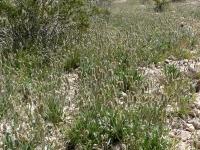
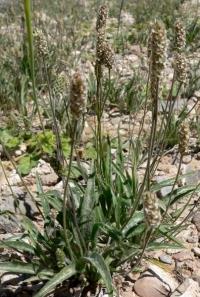
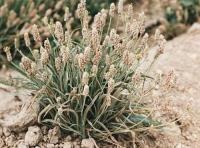
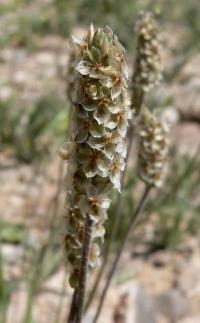
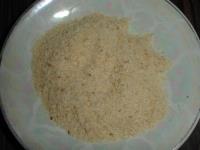
Foto o Immagine modificata per uso didattico


TOSSICITÀ BASSISSIMA
gif tossicità

EFFICACIA CONFERMATA DA EVIDENZE SCIENTIFICHE


 ook 

SCHEDA BOTANICA


COLORI OSSERVATI NEI FIORI

____ BIANCO
____ BIANCO CREMA


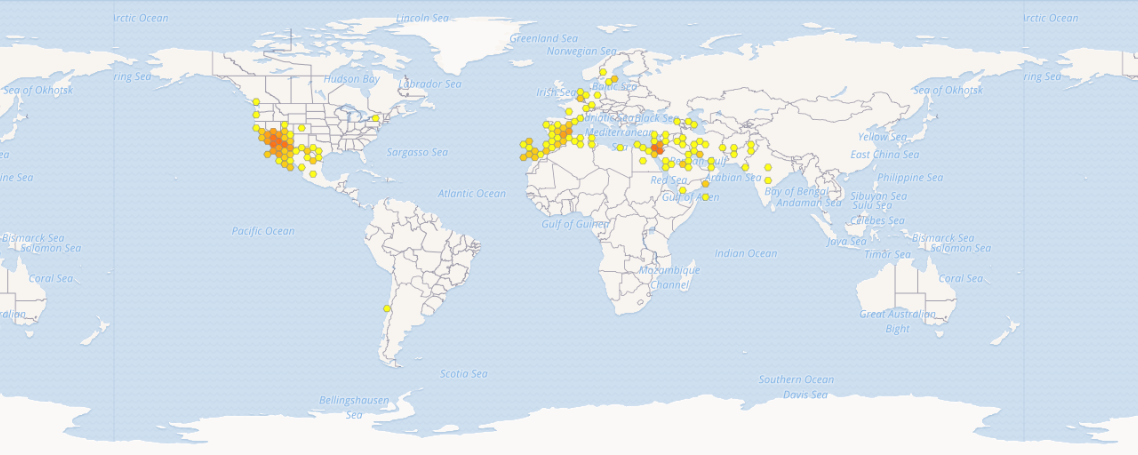
DISTRIBUZIONE IN BASE
ALLE OSSERVAZIONI UMANE


© OpenStreetMap contributors, © OpenMapTiles, GBIF (CC BY-SA 2.0)

SCHEDA FITOTERAPIA


TOSSICITÀ:
BASSISSIMA
Motivazione: L’uso corretto di Plantago ovata è considerato molto sicuro, con tossicità estremamente bassa; gli effetti indesiderati sono rari e generalmente legati a un’assunzione senza adeguata quantità di liquidi o a dosaggi impropri.
EFFICACIA:
CONFERMATA DA EVIDENZE SCIENTIFICHE
Motivazione: Plantago ovata Forsk è ampiamente supportata da solide evidenze scientifiche e cliniche per l’uso delle mucillagini dei semi come lassativo di massa, regolatore della funzione intestinale e coadiuvante nel controllo del colesterolo e della glicemia, con efficacia riconosciuta anche in ambito medico.


Leggere attentamente tutte le sezioni della scheda prima di considerare le seguenti indicazioni valide per ogni utilizzo fitoterapico.

  • Con evidenze scientifiche
  • ookCOLESTEROLO (IPERCOLESTEROLEMIA - IPERTRIGLICERIDEMIA - IPERLIPIDEMIA)
    ookCOLON IRRITABILE O IBS
    ookDIABETE TIPO 2
    ookGLICEMIA (MODULANTE IPOGLICEMIZZANTE)
    ookLASSATIVO PURGANTE MECCANICO MUCILLAGINOSO
    ookPICCHI GLICEMICI (ANCHE POSTPRANDIALI)
    ookSTITICHEZZA O STIPSI
    +++COLITE
    ++ANORESSANTE
    !!DIMAGRANTE (COADIUVANTE)
    !!OBESITÀ E SOVRAPPESO (GESTIONE E CONTROLLO)
  • Con riscontro positivo in vitro o in fitoterapia
  • ++ACIDITÀ (IPERCLORIDRIA O IPERSECREZIONE GASTRICA ANCHE CON REFLUSSO)
    ++ANTIACIDO (ANTISECRETIVO GASTRICO O PROTETTORE TAMPONE)
  • Uso storico e nella tradizione
  • +++DIARREA (ANTIDIARROICO MUCILLAGINOSO)
    +++DIARREA E DISSENTERIA
    +++DIVERTICOLITE
    +++EMOLLIENTE IDRATANTE EDULCENTE
    +++RAGADI ANALI
    ++ANTISETTICO ANTIBATTERICO ANTIMICROBICO
    ++EMORROIDI
    ++INFEZIONI GASTROINTESTINALI
    ++ULCERA (PEPTICA - GASTRICA - DUODENALE)

    Note e Bibliografia relativa a proprietà e indicazioni
  • Gibb R.D., McRorie J.W. Jr., Russell D.A., D’Alessio D.A. “Psyllium fiber improves glycemic control proportional to loss of glycemic control.” American Journal of Clinical Nutrition.
  • Jovanovski E., et al. “Effect of psyllium (Plantago ovata) fiber on LDL cholesterol: systematic review and meta-analysis.” American Journal of Clinical Nutrition / Atherosclerosis research articles.
  • Chen C., et al. “Beneficial effects of psyllium on the prevention and treatment of metabolic disorders: review.” Food & Function.
  • Gholami Z., et al. “The effect of psyllium on fasting blood sugar, HbA1c, HOMA-IR: randomized trials and meta-analysis.” Phytotherapy Research.
  • Shulman R.J., et al. “Psyllium fiber reduces abdominal pain and improves stool patterns in children with irritable bowel syndrome.” Clinical Gastroenterology and Hepatology.
  • van der Schoot A., et al. “The effect of fiber supplementation on chronic constipation: review and recommendations.” American Journal of Gastroenterology / nutrition reviews.
  • Review monographs and traditional texts on Isabgol / Plantago ovata in Ayurveda and Unani literature (compilations and pharmacopoeial monographs).


  • * Si tenga presente che talvolta la stessa erba indicata come sinergica o antagonista, potrebbe assumere entrambi i ruoli in funzione della dose utilizzata e/o della forma estrattiva o di trattamento. Consultare un fitoterapeuta per personalizzare le combinazioni.


    SCHEDA NOTIZIE E VARIE


    BIBLIOGRAFIA e WEBLIOGRAFIA GENERALE
  • European Medicines Agency (2018). Assessment report on Plantago ovata Forssk.
  • WHO (1999). WHO Monographs on Selected Medicinal Plants, Vol. 1
  • Bruneton, J. (2016). Pharmacognosy: Phytochemistry, Medicinal Plants
  • Duke, J.A. (2002). Handbook of Medicinal Herbs
  • Garg, M. et al. (2012). Chemistry and pharmacology of Plantago ovata
  • ESCOP (2003). Monographs on the Medicinal Uses of Plant Drugs