<------------------CENTRA ORIZZONTALMENTE---------------- --> <------------------CENTRA ORIZZONTALMENTE---------------- -->
logo
Buon Natale e felice anno nuovo
   

VISUALIZZA PAGINA SU PC

Scheda completa della pianta

DISCLAIMER   AUTOMEDICAZIONE   © COPYRIGHT
QUESTA SCHEDA È UNICA E ORIGINALE IN INTERNET
aggiornamento del 21/12/2025

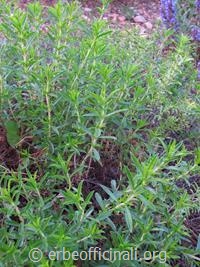
SANTOREGGIA MONTANA
Satureja montana L.
LEGGI ARTICOLI SCIENTIFICI


TOSSICITÀ BASSISSIMA
gif tossicità

EFFICACIA CONFERMATA DA EVIDENZE SCIENTIFICHE


 ook 

SCHEDA BOTANICA


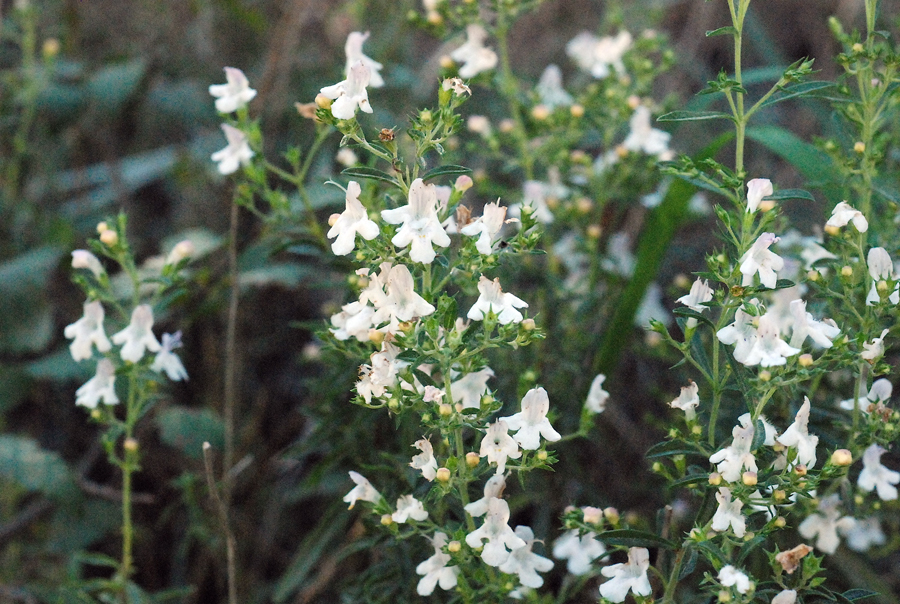
COLORI OSSERVATI NEI FIORI

____ AZZURRINO
____ BIANCO


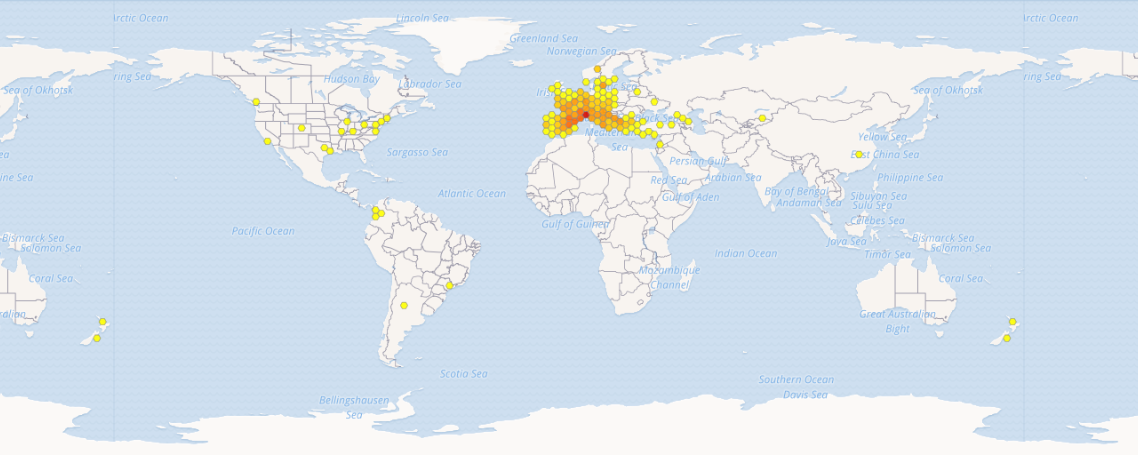
DISTRIBUZIONE IN BASE
ALLE OSSERVAZIONI UMANE


© OpenStreetMap contributors, © OpenMapTiles, GBIF (CC BY-SA 2.0)

SCHEDA FITOTERAPIA


Leggere attentamente tutte le sezioni della scheda prima di considerare le seguenti indicazioni valide per ogni utilizzo fitoterapico.

  • Con evidenze scientifiche
  • ookMETEORISMO FLATULENZA E FERMENTAZIONI INTESTINALI
    ookSPASMOLITICO GASTRO-ENTERICO
    +++ANTISETTICO ANTIBATTERICO ANTIMICROBICO
    +++INFEZIONI (GASTROINTESTINALI)
  • Con riscontro positivo in fitoterapia
  • ++COLERETICO
    ++IRRITAZIONI CUTANEE DA PIAGHE FERITE ABRASIONI E SCREPOLATURE (USO TOPICO)
    ++LESIONI CUTANEE - PIAGHE FERITE ABRASIONI E SCREPOLATURE (USO TOPICO)
  • Uso storico e nella tradizione
  • +++ANTIPARASSITARIO VEGETALE (USO TOPICO)
    +++CANDIDOSI O MONILIASI
    +++COLIBACILLOSI
    +++CONDIMENTO O SPEZIA
    +++INFEZIONI VIE RESPIRATORIE
    +++INFIAMMAZIONI E IRRITAZIONI APPARATO URO-GENITALE
    +++MICOSI (ANTIFUNGINO ANTIMICOTICO)
    ++AFRODISIACO
    ++AROMATIZZANTE
    ++CARMINATIVO ANTIFERMENTATIVO
    ++CICATRIZZANTE O VULNERARIO
    ++COLON IRRITABILE O IBS
    ++CRAMPI MUSCOLARI
    ++DECONTRATTURANTE
    ++DIARREA (ANTIDIARROICO ASTRINGENTE)
    ++DIARREA E DISSENTERIA
    ++DIGESTIVO
    ++DIGESTIVO EUPEPTICO STOMACHICO
    ++DISPEPSIA O CATTIVA DIGESTIONE
    ++GASTROENTERITI
    ++IMPOTENZA SESSUALE
    ++TONICO GENERALE
    +COLITE
    +NAUSEA

    Note e Bibliografia relativa a proprietà e indicazioni
  • Mills S., Bone K., Principles and Practice of Phytotherapy
  • Ulbricht C., Natural Standard Herb & Supplement Guide
  • Bruneton J., Pharmacognosy, Phytochemistry, Medicinal Plants
  • Barnes J., Anderson L., Phillipson J., Herbal Medicines
  • ESCOP, ESCOP Monographs: Satureja montana
  • European Medicines Agency, Assessment Report on Satureja montana


  • * Si tenga presente che talvolta la stessa erba indicata come sinergica o antagonista, potrebbe assumere entrambi i ruoli in funzione della dose utilizzata e/o della forma estrattiva o di trattamento. Consultare un fitoterapeuta per personalizzare le combinazioni.


    SCHEDA NOTIZIE E VARIE


    BIBLIOGRAFIA e WEBLIOGRAFIA GENERALE
  • Milos, M., et al. (2000). "Chemical composition and antioxidant effect of free volatile aglycones from Satureja montana L." Flavour and Fragrance Journal, 15(2), 139-144.
  • Škrovánková, S., et al. (2012). "Antioxidant activity and protecting health effects of common medicinal plants." Advances in Food and Nutrition Research, 67, 75-139.
  • Burt, S. (2004). "Essential oils: their antibacterial properties and potential applications in foods." International Journal of Food Microbiology, 94(3), 223-253.
  • Gilling, D. H., et al. (2014). "Antiviral efficacy and mechanisms of carvacrol against human norovirus." Applied and Environmental Microbiology, 80(24), 7330-7338.
  • ESCOP (European Scientific Cooperative on Phytotherapy) (2003). ESCOP Monographs: The Scientific Foundation for Herbal Medicinal Products (2nd ed.). Thieme.
  • EMA (European Medicines Agency) (2016). "Assessment report on Satureja montana L., herba." European Medicines Agency.
  • PubMed (Satureja montana essential oil, carvacrol mechanism)
  • Dr. Duke’s Phytochemical and Ethnobotanical Databases (USDA)