<------------------CENTRA ORIZZONTALMENTE---------------- --> <------------------CENTRA ORIZZONTALMENTE---------------- -->
logo


VISUALIZZA PAGINA SU PC

Scheda completa della pianta

DISCLAIMER   AUTOMEDICAZIONE   © COPYRIGHT
QUESTA SCHEDA È UNICA E ORIGINALE IN INTERNET
aggiornamento del 18/01/2026

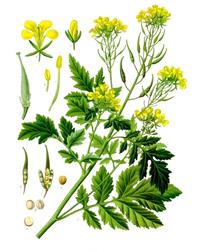
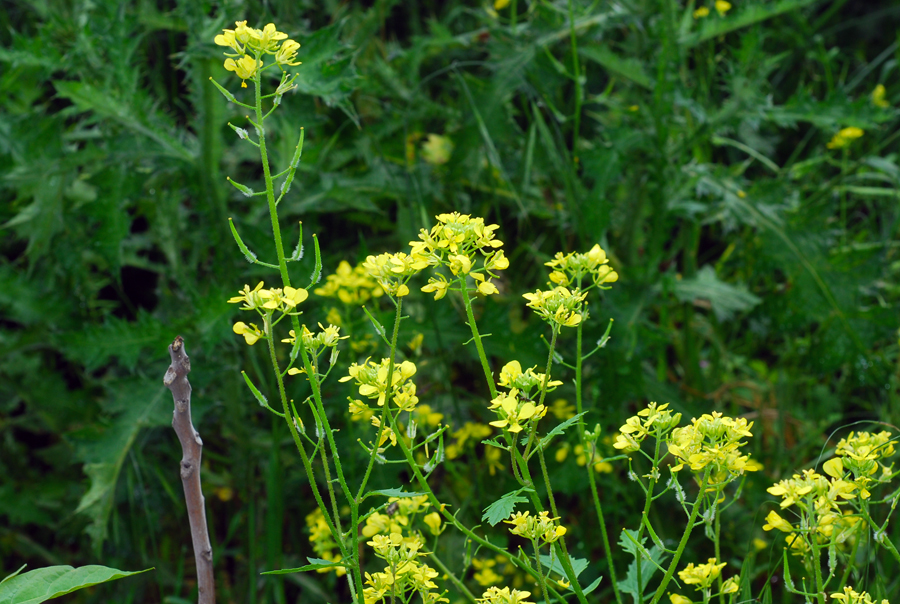
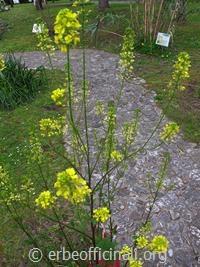
SENAPE BIANCA
Sinapis alba L.
LEGGI ARTICOLI SCIENTIFICI


TOSSICITÀ BASSA
gif tossicità

EFFICACIA DIPENDENTE DALLE SPECIFICHE E DALLE FORME TERAPEUTICHE


 !! 

SCHEDA BOTANICA


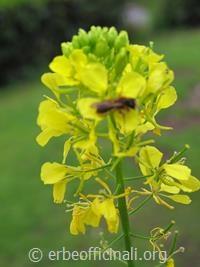
COLORI OSSERVATI NEI FIORI

____ GIALLO-CHIARO
____ GIALLO-VERDASTRO
____ GIALLO-VERDE
____ GIALLOGNOLO


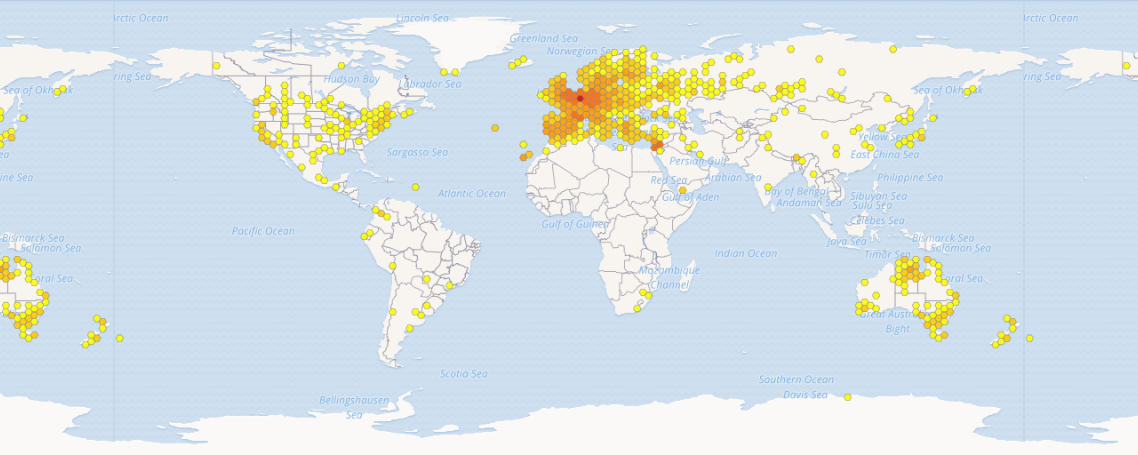
DISTRIBUZIONE IN BASE
ALLE OSSERVAZIONI UMANE


© OpenStreetMap contributors, © OpenMapTiles, GBIF (CC BY-SA 2.0)

SCHEDA FITOTERAPIA


TOSSICITÀ:
BASSA
Motivazione: L’uso topico corretto può causare arrossamento e leggera irritazione cutanea come parte dell’azione prevista; effetti sistemici significativi sono rari se utilizzata appropriatamente.
EFFICACIA:
DIPENDENTE DALLE SPECIFICHE E DALLE FORME TERAPEUTICHE
Motivazione: Sinapis alba L. è principalmente utilizzata come agente rubefacente in impacchi e cataplasmi; l’efficacia è limitata a queste forme esterne e non generalizzabile ad altri usi interni, con evidenze scientifiche modeste.


Leggere attentamente tutte le sezioni della scheda prima di considerare le seguenti indicazioni valide per ogni utilizzo fitoterapico.

  • Con evidenze scientifiche
  • +++CARIE DENTALE
    +++GENGIVITE
  • Con riscontro positivo in vitro o in fitoterapia
  • ookANTIOSSIDANTE (PER STRESS OSSIDATIVO)
    ookANTISETTICO ANTIBATTERICO (USO ESTERNO)
    ookCONSERVANTE ALIMENTARE NATURALE
    ookIMMUNOMODULANTE (SQUILIBRI IMMUNITARI)
    +++ANTINFIAMMATORIO
    +++DERMATITI E INFIAMMAZIONI CUTANEE (USO TOPICO)
    +++MICOSI (ANTIFUNGINO ANTIMICOTICO)
  • Uso storico e nella tradizione
  • ookCONDIMENTO O SPEZIA
    +++VESCICANTE (USO ESTERNO)
    ++DIATESI ARTRITICA
    ++REUMATISMI E DOLORI REUMATICI
    +LASSATIVO O PURGANTE
    +RUBEFACENTE
    +STITICHEZZA O STIPSI

    Note e Bibliografia relativa a proprietà e indicazioni
  • Clinical and antibacterial effects of a herbal toothpaste containing white mustard Sinapis alba extract: a randomized clinical trial
  • Polyphenols of brown and white mustard seeds: extraction optimization and immunomodulatory activities
  • Phytochemical analysis and biological study on Sinapis alba L. seeds extract with biological activities
  • Skin penetration of topically applied white mustard extract and effects on epidermal cells and cytokines
  • Proximate analysis and antioxidant properties of young plants of Sinapis alba L.
  • Evaluation of anti‑epileptic effect of Sinapis alba in electroshock seizure model
  • White mustard (Sinapis alba) profile, traditional uses and phytochemistry overview


  • * Si tenga presente che talvolta la stessa erba indicata come sinergica o antagonista, potrebbe assumere entrambi i ruoli in funzione della dose utilizzata e/o della forma estrattiva o di trattamento. Consultare un fitoterapeuta per personalizzare le combinazioni.


    Vedi sul web gli studi sulle proprietà antitumorali per Sinapis alba L.

    SCHEDA NOTIZIE E VARIE


    BIBLIOGRAFIA e WEBLIOGRAFIA GENERALE
  • Fahey, J. W., et al. (2001). "The chemical diversity and distribution of glucosinolates and isothiocyanates among plants." Phytochemistry, 56(1), 5-51.
  • Daxenbichler, M. E., et al. (1991). "Glucosinolate composition of seeds from 297 species of wild plants." Phytochemistry, 30(8), 2623-2638.
  • Mithen, R. F., et al. (2000). "The nutritional significance, biosynthesis and bioavailability of glucosinolates in human foods." Journal of the Science of Food and Agriculture, 80(7), 967-984.
  • European Medicines Agency (EMA). (2016). "Assessment of Sinapis alba L., semen." EMA/HMPC/611041/2016.