<------------------CENTRA ORIZZONTALMENTE---------------- --> <------------------CENTRA ORIZZONTALMENTE---------------- -->
logo


VISUALIZZA PAGINA SU PC

Scheda completa della pianta

DISCLAIMER   AUTOMEDICAZIONE   © COPYRIGHT
QUESTA SCHEDA È UNICA E ORIGINALE IN INTERNET
aggiornamento del 17/01/2026

ANTILLIDE
Anthyllis Vulneraria L.
LEGGI ARTICOLI SCIENTIFICI


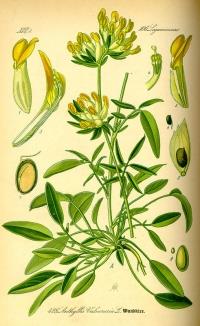
Immagine antica di pubblico dominio modificata per uso didattico. (NO &copy;)


TOSSICITÀ NON ANCORA BEN DEFINITA
gif tossicità

EFFICACIA DUBBIA O NON CONFERMATA


 ? 

SCHEDA BOTANICA


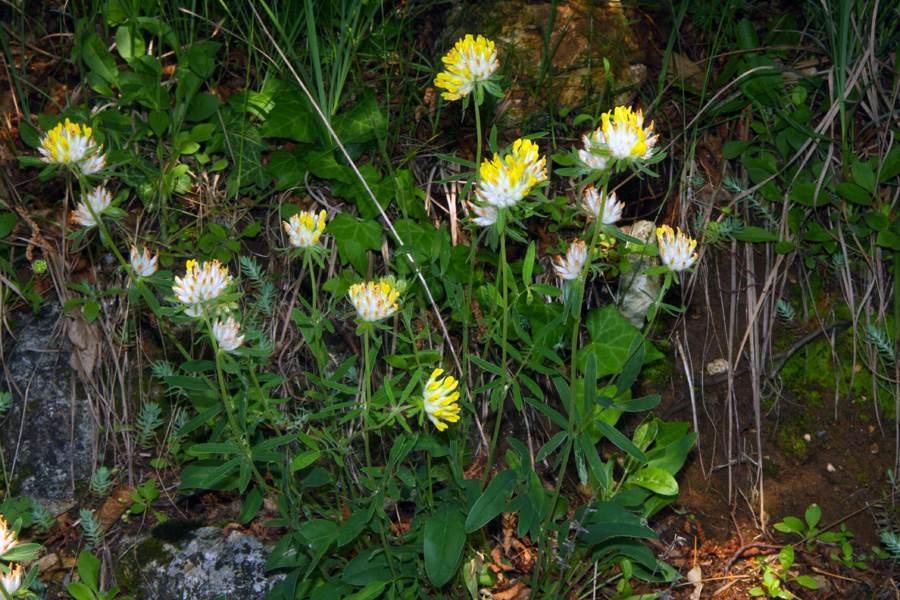
COLORI OSSERVATI NEI FIORI

____ FUCHSIA
____ GIALLO
____ ROSSO ARANCIO
____ ROSSO VERMIGLIO


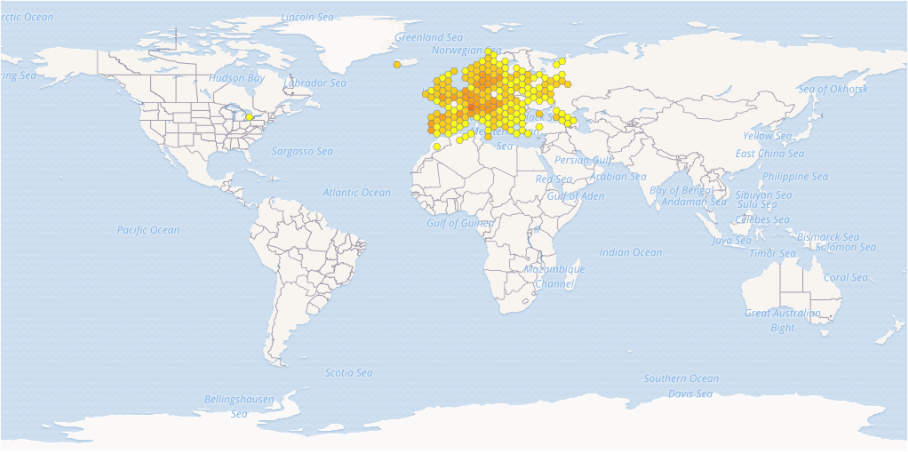
DISTRIBUZIONE IN BASE
ALLE OSSERVAZIONI UMANE


© OpenStreetMap contributors, © OpenMapTiles, GBIF (CC BY-SA 2.0)

SCHEDA FITOTERAPIA


TOSSICITÀ:
NON ANCORA BEN DEFINITA
Motivazione: L’uso corretto di Anthyllis vulneraria L. come rimedio tradizionale sembra generalmente sicuro, ma la letteratura scientifica disponibile non fornisce dati sufficienti sulla tossicità sistemica o effetti collaterali. Pertanto, la tossicità non è ancora ben definita.
EFFICACIA:
DUBBIA O NON CONFERMATA
Motivazione: Anthyllis vulneraria L., nota come erba delle ferite, è tradizionalmente utilizzata per proprietà emostatiche, cicatrizzanti e antinfiammatorie. Tuttavia, le evidenze scientifiche moderne sono molto limitate e non esistono studi clinici robusti che confermino in modo chiaro l’efficacia terapeutica. L’uso tradizionale suggerisce un potenziale beneficio, ma al momento non può essere considerato supportato da dati scientifici solidi.


Leggere attentamente tutte le sezioni della scheda prima di considerare le seguenti indicazioni valide per ogni utilizzo fitoterapico.

  • Con evidenze scientifiche
  • ookANTIOSSIDANTE (PER STRESS OSSIDATIVO)
    ookLESIONI CUTANEE - PIAGHE FERITE ABRASIONI E SCREPOLATURE (USO TOPICO)
  • Con riscontro positivo in vitro o in fitoterapia
  • ookCICATRIZZANTE O VULNERARIO
    ookDERMATITI E INFIAMMAZIONI CUTANEE (USO TOPICO)
    +++ANTINFIAMMATORIO (USO TOPICO)
    +++IRRITAZIONI CUTANEE DA PIAGHE FERITE ABRASIONI E SCREPOLATURE (USO TOPICO)
  • Uso storico e nella tradizione
  • +CONTUSIONI DISTORSIONI TRAUMI E STRAPPI MUSCOLARI
    +DERMATOSI E INFIAMMAZIONI (USO TOPICO)
    +DERMOPURIFICANTE DERMOPROTETTIVO
    +RISOLVENTE
    +RUBEFACENTE

    Note e Bibliografia relativa a proprietà e indicazioni
  • Maxia, A., et al. (2013). Phytochemical and biological studies of Anthyllis vulneraria L. growing in Sardinia Island (Italy). Natural Product Research, 27(18), 1655-1661.
  • Dobros, N., et al. (2022). Anthyllis vulneraria L. Extracts as Potential Sources of Bioactive Molecules for Wound Healing Applications. Molecules, 27(19), 6442.
  • Prymaka, A., et al. (2022). The Potential of Anthyllis vulneraria L. in Wound Healing: From Traditional Use to Scientific Validation. Applied Sciences, 12(17), 8768.
  • Leporatti, M. L., & Ivancheva, S. (2003). Preliminary comparative analysis of medicinal plants used in the traditional medicine of Bulgaria and Italy. Journal of Ethnopharmacology, 87(2-3), 123-142.
  • Evergetis, E., & Haroutounian, S. A. (2014). Exploitation of the Greek flora for the development of novel phytotherapeutic agents with wound healing activity. In Vivo, 28(3), 283-290.
  • González-Tejero, M. R., et al. (2008). Medicinal plants in the Mediterranean area: synthesis of the results of the project RUBIA. Journal of Ethnopharmacology, 116(2), 341-357.
  • Pfeifer, H. (1970). On the healing of wounds by Anthyllis vulneraria. Scientia Pharmaceutica, 38(3), 145-151.


  • * Si tenga presente che talvolta la stessa erba indicata come sinergica o antagonista, potrebbe assumere entrambi i ruoli in funzione della dose utilizzata e/o della forma estrattiva o di trattamento. Consultare un fitoterapeuta per personalizzare le combinazioni.


    SCHEDA NOTIZIE E VARIE


    BIBLIOGRAFIA e WEBLIOGRAFIA GENERALE
  • Maxia, A., et al. (2011). "Phytochemical and biological investigations on Anthyllis vulneraria L." Natural Product Research, 25(1), 27-44.
  • Petkova, N., et al. (2019). "Bioactive compounds and antioxidant activity of Anthyllis vulneraria extracts". Molecules, 24(5), 936.
  • Dall’Acqua, S., et al. (2008). "Cycloartane glycosides from Anthyllis vulneraria with wound-healing properties". Planta Medica, 74(05), 505-511.
  • Vitalini, S., et al. (2015). "Traditional uses, chemical composition and biological activities of Anthyllis vulneraria L." Journal of Ethnopharmacology, 172, 63-82.
  • Boudjelal, A., et al. (2013). "Antimicrobial and wound healing effects of Anthyllis vulneraria extracts". Journal of Ethnopharmacology, 148(1), 313-319.